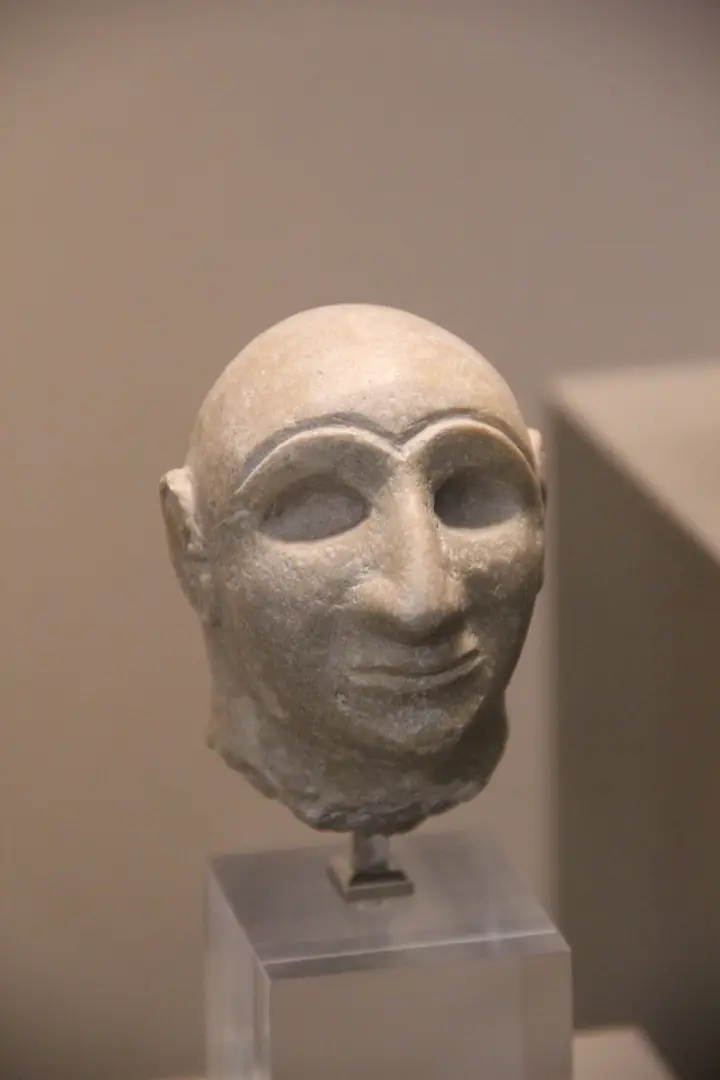

Umm al-Aqarib matters because it is a large Early Dynastic Sumerian city near Umma, with temples, palaces and public buildings that help us understand what cities looked like in the third millennium BCE. The site was heavily looted after 2003 and became an example of the danger facing southern Iraq's heritage. Iraqi teams excavated there in 1999–2002 and again in 2008–2010 to rescue and record what was left. Umm al-Aqarib therefore stands for the work of Iraqi archaeologists protecting their heritage in difficult years.
A large Early Dynastic Sumerian site near Umma, with temples, palaces and public buildings.
It was heavily looted after 2003; Iraqi teams then excavated it to rescue and record what remained.
Notable factIraqi archaeologists worked here to rescue and record the site in difficult years.
Visitor guide
Approximate straight-line distance; the road is longer.
Best time: Roughly November to March. Summers in the south are extremely hot, often above 45°C, so avoid midday visits in summer.
Practical tips:
- Arrange your visit in advance with the Dhi Qar Antiquities Inspectorate; archaeological sites are protected and guarded.
- Bring plenty of water, a hat and sun protection; most sites have no shade or services.
- Do not walk on exposed walls or pick up any sherd or stone; Iraq's Antiquities and Heritage Law No. 55 of 2002 forbids it.
Getting there
Near Tell Jokha (Umma) in the desert of northern Dhi Qar. Visits are arranged with the Dhi Qar Antiquities Inspectorate.
Sources
Information last reviewed: November 2026. Dates are approximate.