
01
Ur
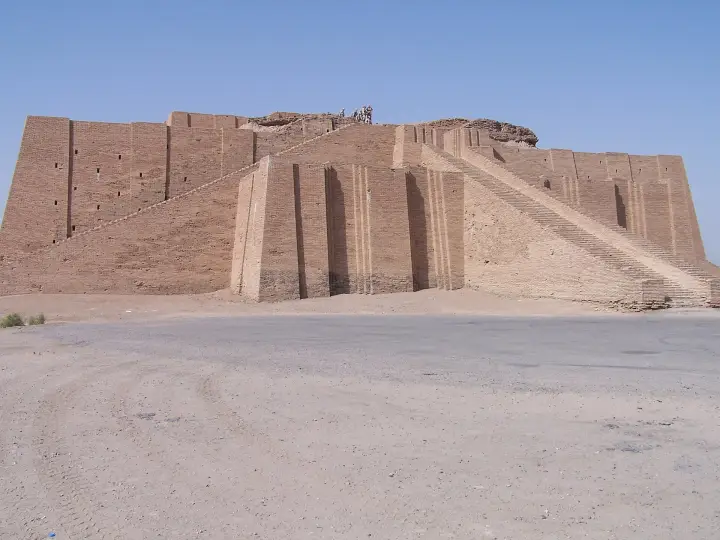
Capital of the Third Dynasty of Ur, with one of the best-preserved ziggurats in the world.
about 5000–300 BCETwelve sites of Sumer on a real map: tap any site in the list, a card or a dot to zoom in and open its card.
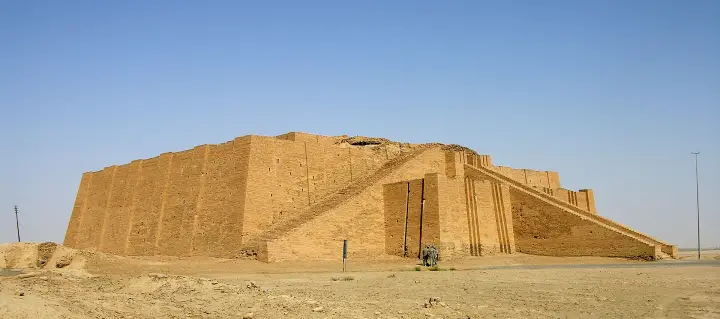
Capital of the Third Dynasty of Ur, with one of the best-preserved ziggurats in the world.
about 5000–300 BCE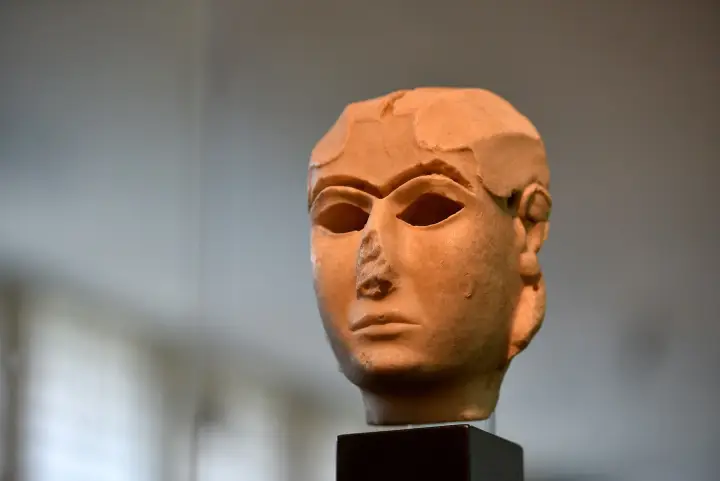
One of history's first great cities, the city of Gilgamesh, where the earliest known writing appeared.
about 4000 BCE – 300 CE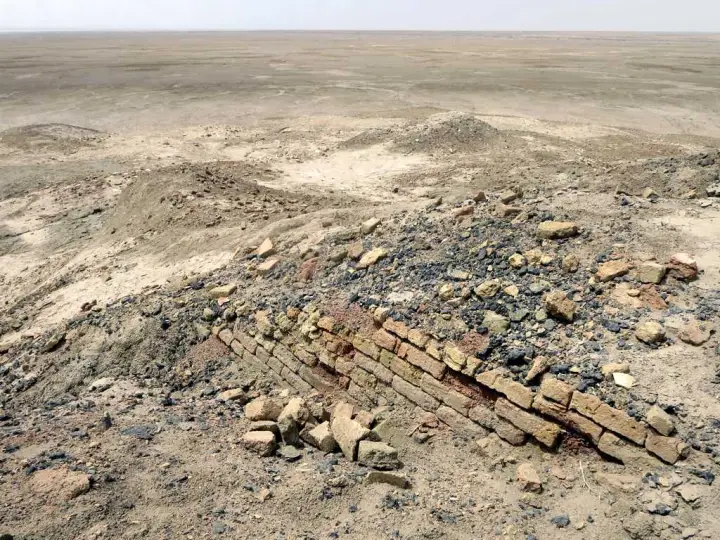
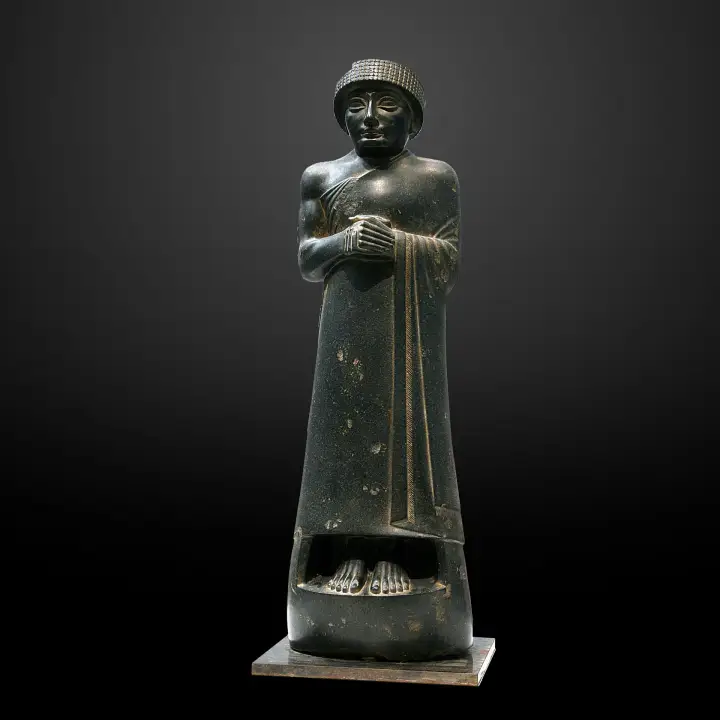
Religious capital of the state of Lagash, home of the famous statues of Gudea.
about 2500–2100 BCE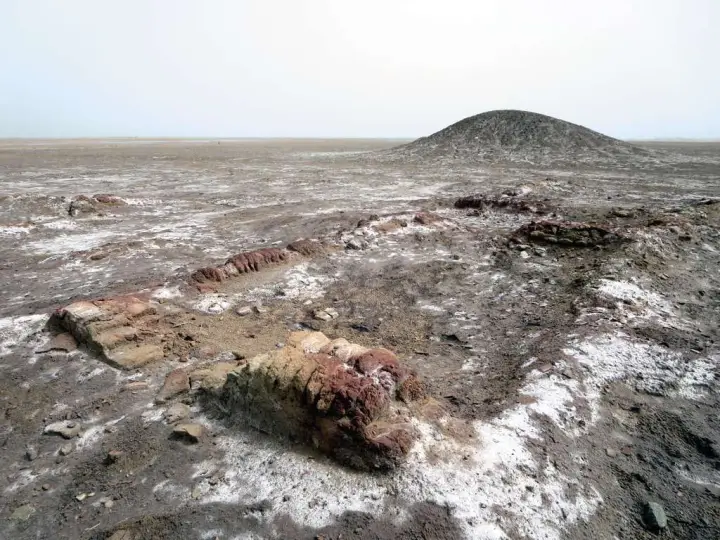
One of the largest Sumerian cities, the political and economic centre of the state of Lagash.
about 2900–2000 BCEThe third city of the state of Lagash, home of the goddess Nanshe at the edge of the marshes.
about 2900–2000 BCE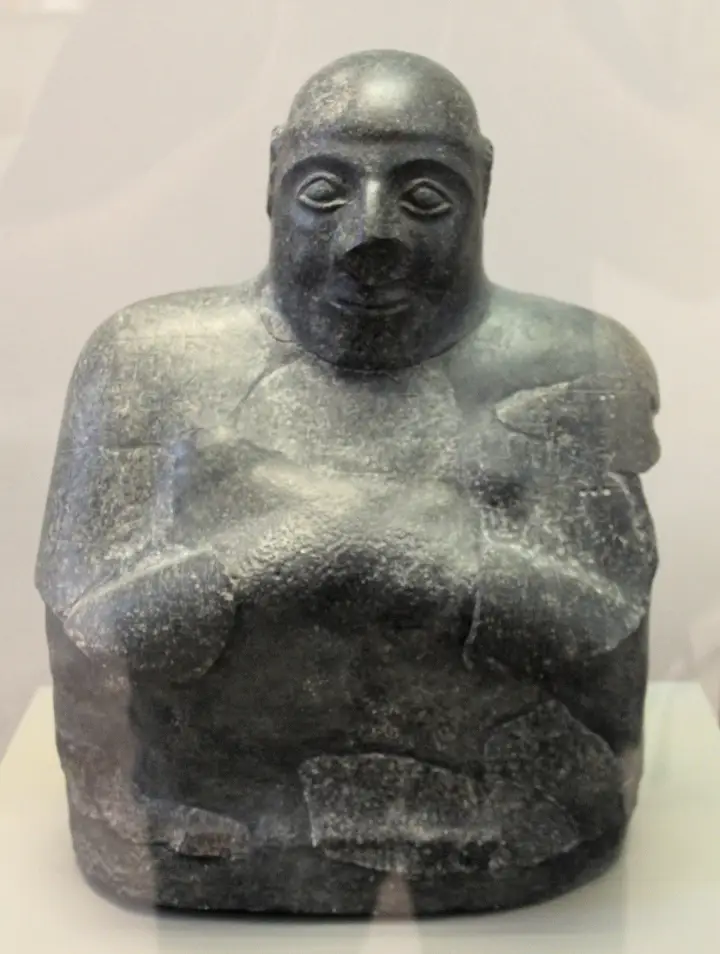
The historic rival of Lagash, home of Lugal-zage-si, who united the cities of Sumer.
about 2900–2000 BCE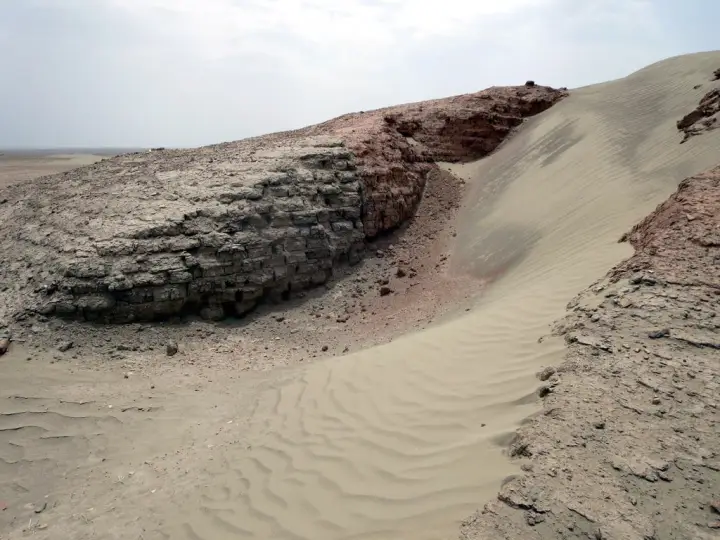
City of the sun god Utu, and capital of a strong kingdom until Hammurabi annexed it.
about 2000–1763 BCE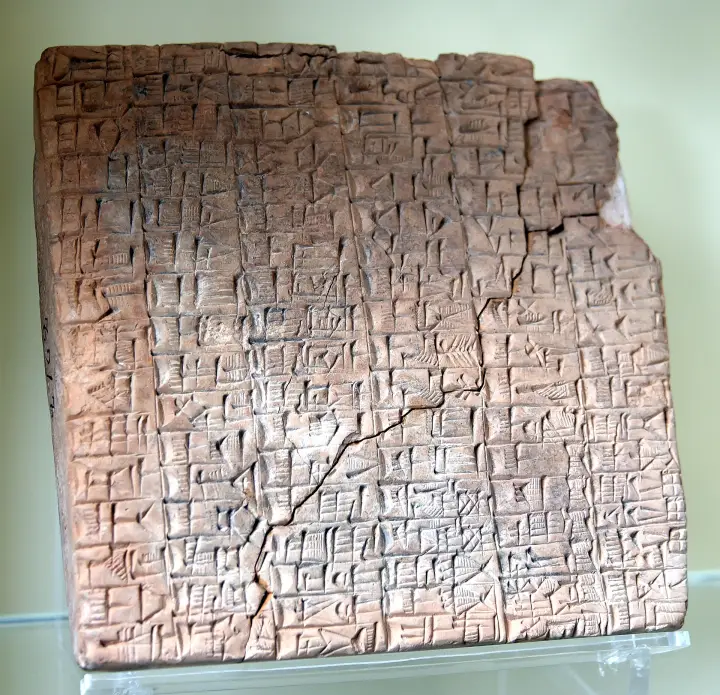
City of the Sumerian flood hero, and source of the world's oldest wisdom texts.
about 3000–2000 BCE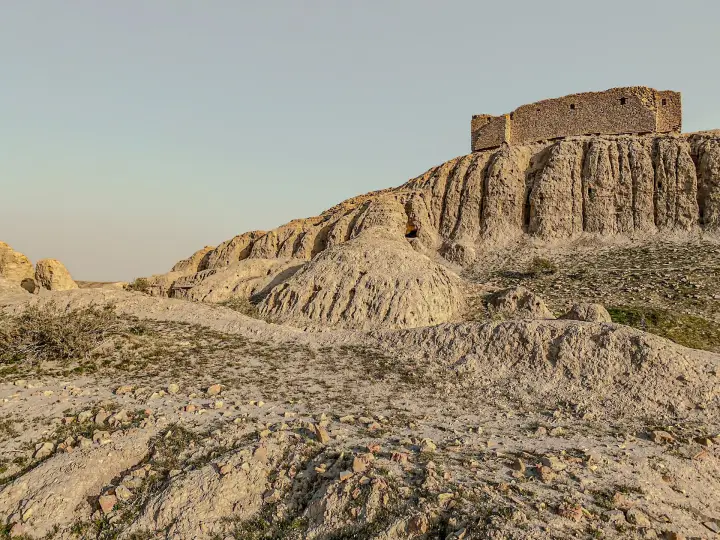
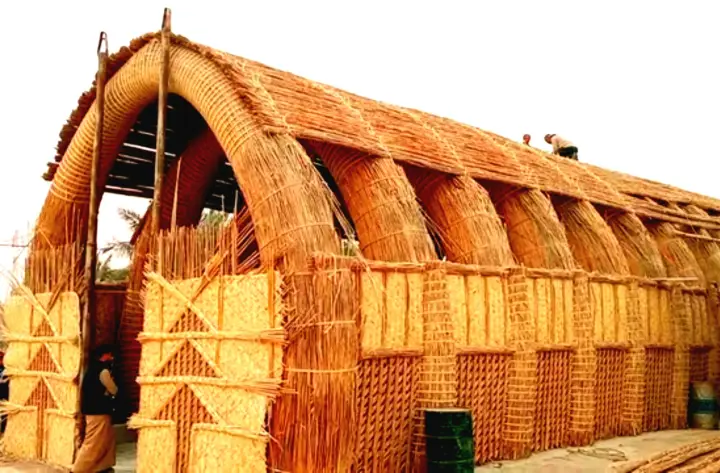
Inscribed by UNESCO together with Ur, Uruk and Eridu; its people still live by reed and water.
from thousands of years ago to todayOver seven thousand years on one land. Tap “Show on map” to see each period's sites.
The first farming villages in the south, and the first temples at Eridu.
The birth of the great city, and the first writing on clay.
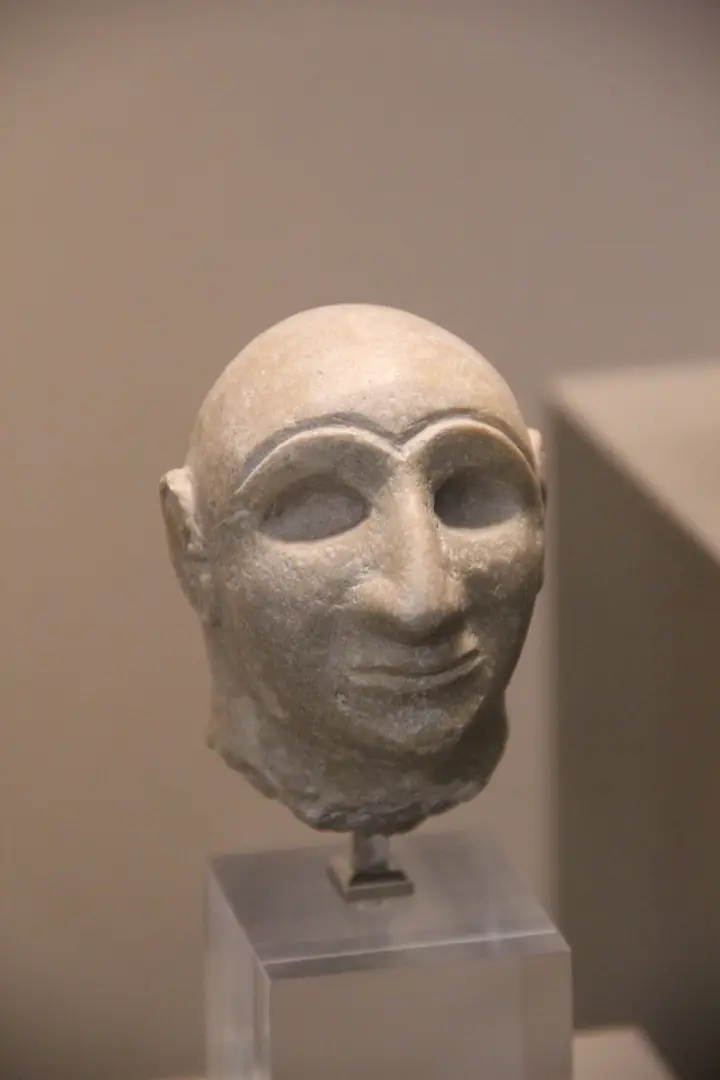
Writing and art mature; the Mask of Warka belongs to this time.
Sumerian city-states and their rivalries, and the Royal Cemetery at Ur.
Sargon unites Sumer and Akkad in the first great state.
A last Sumerian revival: the statues of Gudea and the Ziggurat of Ur.
Rival kingdoms, until Hammurabi unites them.
Old temples are restored, and Nabonidus renews the Ziggurat of Ur.
Successive empires; Uruk and Nippur are still inhabited.
Basra is founded, and life in the marshes, among the reeds, goes on.
Dates are approximate.
A calm introduction to objects from Sumer now shown in museums worldwide, and others at home in the Iraq Museum.
A wooden box inlaid with shell, red limestone and lapis lazuli, from the Royal Cemetery at Ur, about 2600 BCE.
A small figure of a horned animal rearing against a tree, of gold, silver and lapis lazuli, found with its twin in Ur's "Great Death Pit".
A bull-headed lyre from the Royal Cemetery at Ur. The wood is modern; the head and inlay are original.
The front of a lyre with a bearded bull's head and a shell plaque, from a royal grave next to Puabi's at Ur.
A headdress of gold leaves with lapis lazuli and carnelian beads, found with Queen Puabi in the Royal Cemetery at Ur.
An inlaid gaming board about 4,500 years old, with pieces and dice, from the Royal Cemetery at Ur.
The stele of Eannatum, king of Lagash, about 2450 BCE; its fragments were found at Tello (Girsu).
Two clay cylinders describing Gudea's building of Ningirsu's temple, found at Tello in 1877.
A seated statue of Gudea holding a building plan on his lap, from Girsu.
A diorite statue of about 2090 BCE; the museum says it probably comes from Girsu.
A Babylonian mathematical tablet listing number triples. It is thought to be from Larsa, but its findspot is uncertain.
An Old Babylonian copy of the oldest known law code, found at Nippur. Other fragments are in Baghdad and London.
An alabaster vase of about 3000 BCE showing offerings brought to Inanna. Stolen in 2003, later returned.
A marble woman's face of about 3100 BCE, one of the earliest depictions of a human face. Stolen in 2003 and found months later.
A lyre with a gold bull's head from Ur's Royal Cemetery. Its wooden body was damaged in 2003; the gold head survived.